Scattering Ashes at Sea: Why the Biodegradable Urn You Buy May Be the Wrong Choice
Biodegradable urns are often marketed as a beautiful, environmentally friendly way to return a loved one’s cremated remains to the ocean. The idea sounds simple: place the urn in the water, watch it gently sink, and allow it to biodegrade naturally.
Unfortunately, after conducting literally thousands of ocean memorials on Monterey Bay, we’ve learned that what sounds beautiful in theory doesn’t always work beautifully on the water.
Some biodegradable urns simply don’t behave the way families expect them to.
 |
 |
The Biodegradable Clam That Wouldn’t Sink
One experience in particular has stayed with us.
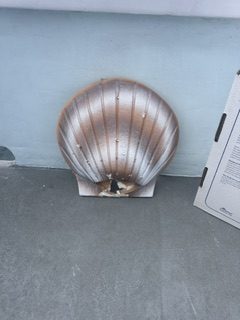
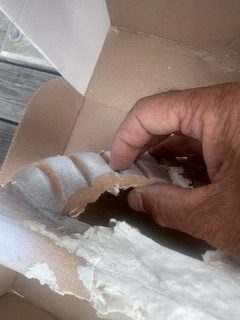
A family arrived with a biodegradable clam-shell urn containing their loved one’s cremated remains. They believed that once it was placed into the ocean, it would sink and eventually biodegrade.
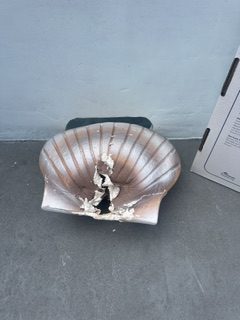
Before placing it in the water, we added additional holes to help it take on water and sink. We gently placed the clam into the ocean and waited.
And waited.
It continued to float.
We couldn’t leave an urn floating on the surface of the ocean, so eventually we had no choice but to bring it back aboard.
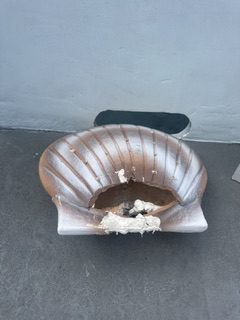
Then we essentially had to shuck the clam.
We cut into the shell, removed the cremated remains, and performed the scattering directly into the ocean. The empty biodegradable clam came back to shore with us and ultimately had to be thrown away.
That’s certainly not what the family envisioned when they purchased it, and it’s exactly the kind of experience we want to help other families avoid.
 |
 |
You May Not Need an Urn at All
If your family wants the cremated remains scattered directly into the ocean, you don’t need to purchase a special biodegradable urn for a Sea Spirit Memorial scattering.
Families can bring their loved one’s cremated remains in the basic container provided by the funeral home or crematory.
Before the ceremony, we transfer the cremated remains into the scattering vessel we use aboard Sea Spirit. It’s long and slender, closed at one end and open at the other, with a chain that allows us to lower it to just above the waterline.
The family then pours the cremated remains directly into the ocean at the surface of the water. One person can participate, or several family members can do it together.
This method gives us much greater precision and control and greatly reduces the possibility of cremated remains blowing back toward the family or onto the boat.
It’s simple, dignified, and allows the family to personally return their loved one to the sea.
When Direct Scattering Isn’t the Right Choice
Direct scattering isn’t appropriate for every family.
Religious or cultural traditions may call for the cremated remains to stay together. Other families simply don’t want to see or handle the cremated remains themselves. We completely understand.
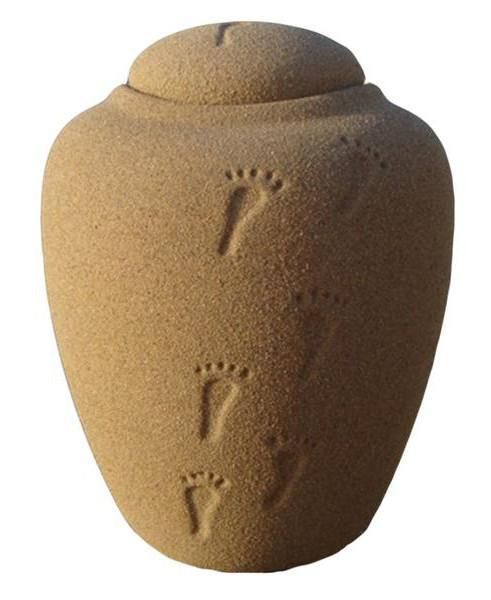
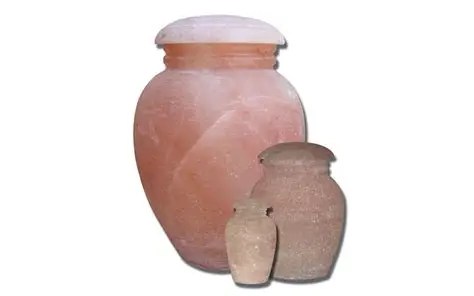
In those situations, we recommend a sand or Himalayan salt urn designed for water burial.
Rather than floating on the surface, these urns are designed to sink and then dissolve in the water. The cremated remains stay contained as the urn travels to the ocean floor, giving families a very different experience from a direct scattering.
 |
 |
Before You Buy an Urn, Talk to Your Burial-at-Sea Provider
Our advice is simple: don’t purchase a biodegradable water urn just because it’s labeled biodegradable.
First decide what you actually want:
- If you want your loved one’s ashes scattered directly into the sea, you may not need to buy an urn at all. At Sea Spirit Memorial, we have a controlled system that allows families to participate in the scattering right at the waterline.
- If the cremated remains need to stay contained, or your family doesn’t want to see the ashes, consider a sand or Himalayan salt urn specifically designed to sink and dissolve in the ocean.
- If you’re considering another type of biodegradable urn, talk to your burial-at-sea provider before buying it and make sure they have experience with how that particular urn behaves in actual ocean conditions.
A beautiful urn isn’t very beautiful when it won’t sink and sometimes the simplest solution creates the most meaningful goodbye.